Is There Medication for Bladder Control? What to Ask Your Doctor

Yes, bladder control medication exists, and there's more than one type. Each works differently, comes with its own tradeoffs, and fits different situations. This guide compares the main categories so you can walk into a doctor's appointment with informed questions instead of a vague sense that "something" might help.
When Medication Enters the Conversation
Most clinical guidance treats bladder control medication as a second step, not a first one. Mayo Clinic's guidance on overactive bladder lists behavioral therapies, like bladder training and pelvic floor exercises, as the first-choice approach. Medication typically enters the conversation when those changes alone aren't providing enough relief.
That said, medication isn't a last resort either. For some women, especially those with more significant urgency or frequency symptoms, starting medication alongside behavioral changes makes sense from the beginning. This is exactly the kind of decision worth making with a doctor rather than guessing alone. If you are still weighing the full range of options, our guide to overactive bladder treatment covers where medication fits alongside behavioral and lifestyle approaches.
Anticholinergics: How They Work
Anticholinergics are the most established class of bladder control medication. Drugs in this group, including oxybutynin, tolterodine (brand name Detrol), and solifenacin, work by blocking nerve signals that trigger unwanted bladder muscle contractions. Mayo Clinic explains that these drugs calm an overactive bladder muscle directly.
The tradeoff is side effects. Dry mouth, dry eyes, constipation, and blurred vision are common enough that some women stop taking anticholinergics within the first few months.
Beta-3 Agonists: A Newer Alternative
Beta-3 agonists, including mirabegron (Myrbetriq) and vibegron (Gemtesa), take a different approach. Rather than blocking nerve signals broadly, they relax the bladder muscle directly to increase how much urine it can comfortably hold. GoodRx notes that this mechanism gives beta-3 agonists a different side effect profile than anticholinergics, generally without the dry mouth and constipation issues.
Instead, beta-3 agonists can raise blood pressure in some people, along with occasional headaches or cold-like symptoms. Doctors often check blood pressure before and during treatment with this class.
Over-the-Counter Options
Not every bladder control medication requires a prescription. The Oxytrol for Women patch is an FDA-approved, over-the-counter option containing oxybutynin, the same active ingredient found in prescription anticholinergics. Separately from medication, it is worth knowing what to check on a bladder health supplement label before adding one to a daily routine.
Medication Comparison Table
| Type | Examples | How It Works | Common Side Effects | Rx Needed |
|---|---|---|---|---|
| Anticholinergics | Oxybutynin, tolterodine (Detrol), solifenacin | Blocks nerve signals causing bladder spasms | Dry mouth, constipation, blurred vision | Yes (patch available OTC) |
| Beta-3 agonists | Mirabegron (Myrbetriq), vibegron (Gemtesa) | Relaxes bladder muscle, increases capacity | Increased blood pressure, headache, cold symptoms | Yes |
| OTC oxybutynin patch | Oxytrol for Women | Same mechanism, delivered transdermally | Skin irritation, less common dry mouth | No |
| Vaginal estrogen | Prescribed by a doctor | Strengthens urethral and vaginal tissue post-menopause | Mild irritation at application site | Yes |
Hormonal Treatment for Postmenopausal Women
For women past menopause, Mayo Clinic notes that vaginal estrogen therapy can help strengthen the muscles and tissues in the urethra and vaginal area, which sometimes improves bladder control as a secondary benefit.
Questions to Ask Your Doctor
Walking in prepared makes these appointments more productive. Worth asking: which medication class fits your specific symptoms, what side effects are most likely given your health history, how long a trial period should run before reassessing, and whether behavioral changes should continue alongside medication rather than being replaced by it.
It's also worth asking directly about the over-the-counter patch option, since some doctors don't bring it up unless asked. Some women also ask about pairing medication with a daily supplement like FemiCore, formulated to support a healthy urinary microbiome, though that's a conversation to have directly with your prescribing doctor.
What Medication Doesn't Fix
Bladder control medication addresses bladder muscle activity or, in the case of vaginal estrogen, tissue health. It doesn't address weak pelvic floor muscles, which are the primary driver of stress incontinence. That's why doctors often recommend pairing medication with pelvic floor exercises rather than relying on medication alone. If you are not certain you are engaging the right muscles, pelvic floor physical therapy can correct technique before it becomes a habit.
Common Mistakes and Myths
A common mistake is stopping medication too soon because of early side effects, without discussing dose adjustments or alternatives with a doctor first. Many side effects lessen over the first few weeks.
A myth worth addressing: that bladder control medication is a quick, standalone fix. It works best as part of a broader plan that includes behavioral changes.
What Actually Helps
The right bladder control medication depends heavily on your specific symptoms, health history, and how your body responds to a given drug class, which is exactly why this is a conversation to have with a doctor rather than a decision to make from an article alone.
Alongside medication or behavioral treatment, some women also add a daily supplement to their routine. FemiCore is formulated with cranberry extract, targeted botanicals, and a five-strain probiotic blend, designed to support a healthy urinary microbiome and everyday bladder comfort. See how FemiCore fits alongside a bladder health routine, and talk to your doctor before combining it with any prescription medication.
FAQ
Do bladder control pills actually work?
Yes, for many women, anticholinergics and beta-3 agonists meaningfully reduce urgency and leakage, though effectiveness and side effects vary by individual.
How do you fix a weak bladder?
"Weak bladder" usually refers to either an overactive bladder muscle or weakened pelvic floor support. Treatment depends on which is driving the symptoms.
What can you buy over the counter for bladder control?
The Oxytrol for Women patch is an FDA-approved, over-the-counter option containing oxybutynin. Absorbent products like pads and underwear are also available without a prescription.
What is the newest medication for overactive bladder?
Vibegron (Gemtesa) is one of the more recently approved beta-3 agonists for overactive bladder.
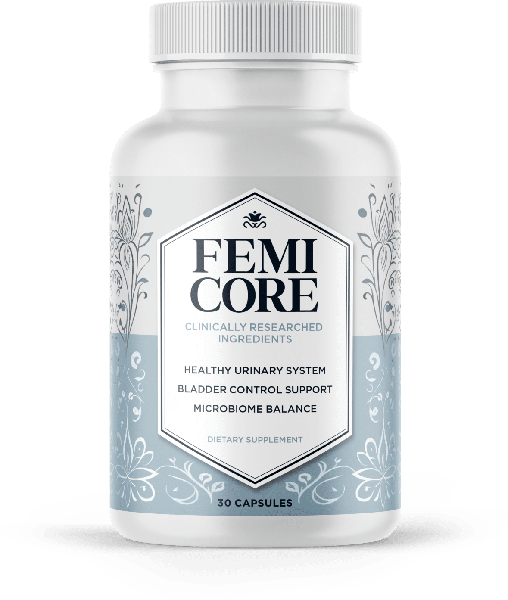
Talking to your doctor about medication?
FemiCore is formulated with cranberry extract, targeted botanicals, and a five-strain probiotic blend to support a healthy urinary microbiome and everyday bladder comfort.
View Bundle PricingSources
Mayo Clinic · GoodRx · Aeroflow Urology (2026) · NIDDK.gov · Merck Manuals
This article is for informational purposes only and does not recommend any specific prescription medication. Consult your physician before starting, stopping, or combining any medication or supplement. These statements have not been evaluated by the Food and Drug Administration. This product is not intended to diagnose, treat, cure, or prevent any disease. This page contains affiliate links; we may earn a commission at no extra cost to you.