Overactive Bladder Treatment: Causes, Options, and What Actually Helps

Overactive bladder treatment isn't one thing. It's a ladder. Most women start at the bottom, with simple daily changes, and only climb higher if those changes aren't enough. Millions of women deal with overactive bladder, and most never talk about it, even with a doctor. That silence is part of why so many people stay stuck on the wrong rung of the ladder for years.
This guide walks through the full range of overactive bladder treatment, starting with what's free and low-risk, moving through medication, and ending with the daily-supplement category that's grown fast in the last few years. Nothing here replaces a conversation with a doctor. It's meant to help you walk into that conversation informed.
What Overactive Bladder Actually Is
Overactive bladder describes a set of symptoms, not a single diagnosis. Doctors define it as sudden, strong urges to urinate that are hard to delay, often paired with frequent trips to the bathroom and sometimes leakage before you get there. Cleveland Clinic describes it as a bladder muscle that contracts involuntarily, even when the bladder isn't full.
Overactive bladder treatment works because the condition itself is treatable, not permanent. Many women assume urgency and frequency are just what happens with age, so they never ask about overactive bladder treatment at all. The muscle overactivity driving the symptoms responds to behavioral, medical, and supplement-based approaches.
Why the Bladder Starts Misfiring
The bladder is a muscle, and like any muscle, it can contract at the wrong time. Nerve signals tell the bladder wall to relax while it fills and to squeeze when it's time to empty. When those signals misfire, the bladder squeezes too early, and urgency follows. For the full picture of that signalling chain, see how the urinary system works.
Several things can trigger that misfiring: age-related changes to bladder tissue, childbirth, menopause, chronic bladder irritation from caffeine or acidic foods, and nerve conditions that affect bladder signaling. Weight and pelvic floor strength also factor in, since extra pressure on the bladder can make an already-sensitive muscle more reactive.
Behavioral and Lifestyle Treatment
For most women, overactive bladder treatment starts here, not with a prescription. Mayo Clinic lists behavioral therapy as the first-choice approach for managing overactive bladder, ahead of medication.
Cutting back on bladder irritants makes a real difference for a lot of women. Caffeine, alcohol, artificial sweeteners, and spicy or acidic foods can all aggravate an already-sensitive bladder. Fluid management matters too: drinking enough water throughout the day, while avoiding large amounts right before bed, helps reduce nighttime urgency without risking dehydration.
Weight management and reducing constipation also show up consistently in clinical guidance, since both add pressure to the bladder and pelvic floor.
Pelvic Floor and Bladder Training
Bladder training is a scheduled approach to urination. You go on a set schedule, then gradually stretch the time between bathroom trips by about 15 minutes, teaching the bladder to hold more before it signals urgency.
Pelvic floor exercises support this from a different angle, strengthening the muscles that help stop involuntary bladder contractions. A physical therapist who specializes in pelvic health can confirm you're doing them correctly, since incorrect technique is common and limits results. Our guide to pelvic floor exercises covers how to find the right muscles and build a routine.
Biofeedback, a technique that uses sensors to show real-time muscle activity, helps some women learn to engage the right muscles when kegel exercises alone haven't clicked. Mayo Clinic includes biofeedback among its recommended behavioral therapies for overactive bladder treatment.
Medications for Overactive Bladder
When lifestyle changes aren't enough, doctors often move to medication as the next step in overactive bladder treatment. Two drug classes dominate this category. Our companion guide on bladder control medication and what to ask your doctor goes deeper on each.
Anticholinergics, including oxybutynin, tolterodine, and solifenacin, work by relaxing the bladder muscle and reducing spasms. The Urology Care Foundation lists these among the most common overactive bladder treatment prescriptions. Dry mouth and constipation are common side effects, which leads some women to stop taking them.
Beta-3 adrenergic agonists, like mirabegron and vibegron, relax the bladder to increase how much urine it can hold, without the anticholinergic side effect profile. Geisinger Health notes that a layered approach, combining behavioral changes with medication when needed, tends to produce the best results.
An over-the-counter option exists too. The Oxytrol for Women patch delivers oxybutynin without a prescription, according to Aeroflow Urology, giving women a lower-barrier medication option to try before seeing a specialist.
Advanced Procedures
For overactive bladder that doesn't respond to behavioral changes or medication, doctors have procedural options. Botox injections into the bladder wall relax the muscle directly, with effects that typically last around six months before a repeat injection is needed.
Nerve stimulation therapies, including sacral and tibial nerve stimulation, use mild electrical pulses to regulate the nerve signals controlling bladder function. Cleveland Clinic includes both Botox and nerve stimulation among standard advanced treatments once first-line overactive bladder treatment hasn't worked.
Daily Supplements as a Supporting Option
A newer category of overactive bladder treatment has grown around daily nutritional supplements built for bladder and urinary health. These aren't a replacement for medical care, and they aren't marketed as one. They're a daily habit some women add alongside behavioral changes, positioned as support rather than treatment for a diagnosed condition.
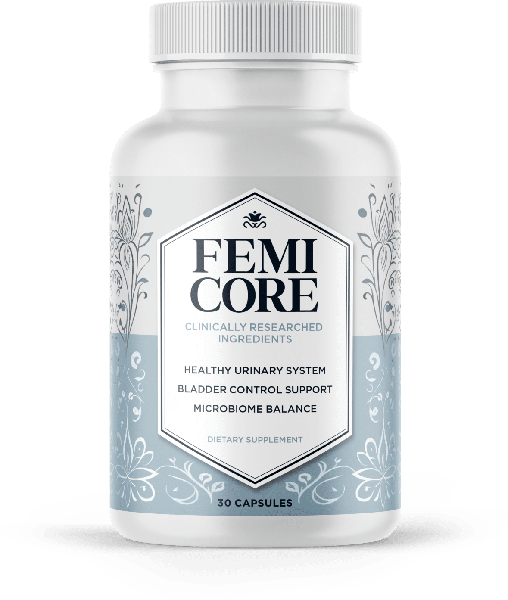
FemiCore is one option in this category. It's a once-daily capsule built around a botanical blend, including cranberry extract, Mimosa Pudica seed, bearberry leaf, and berberine, paired with a five-strain probiotic blend. It's formulated to help support a healthy urinary microbiome and normal bladder function, not to treat overactive bladder as a diagnosed medical condition. See how FemiCore fits into a daily bladder health routine if you're looking for a supplement to pair with the behavioral steps above.
Common Mistakes and Myths
The biggest mistake is waiting. Many women live with overactive bladder symptoms for years before mentioning them to a doctor, assuming nothing can be done or that it's simply a normal part of aging. Overactive bladder treatment works better the earlier it starts, particularly behavioral approaches.
Another common myth: that cutting fluids entirely will fix urgency. It doesn't. Dehydration concentrates urine, which can irritate the bladder further and make urgency worse, not better. The goal is steady, moderate hydration, not restriction.
A third myth is that kegel exercises alone will resolve every case. They help many women, but pelvic floor exercises done with poor technique can do little or nothing, and some women need guidance from a pelvic floor physical therapist to see results.
What Actually Helps
The most effective overactive bladder treatment plans combine more than one approach. Behavioral changes come first: cutting bladder irritants, managing fluids, and starting bladder training. Pelvic floor work, done correctly, adds a second layer of support. For many women, that combination is enough to bring real relief.
When it's not, medication and procedural options exist, and a urologist can walk through which fits your specific symptoms and health history. Some women also add a daily supplement like FemiCore to their bladder health routine, formulated around the same microbiome-and-muscle-function idea that shows up throughout clinical guidance on bladder health. As always, consult your doctor before starting anything new, especially if you're pregnant, nursing, or managing a medical condition.
FAQ
What can you do for an overactive bladder?
Start with behavioral changes: cut bladder irritants like caffeine and alcohol, manage fluid intake, and try scheduled bathroom trips. Pelvic floor exercises and, if needed, medication or procedures are the next steps.
What are the possible causes of frequent urination?
Frequent urination can stem from overactive bladder, urinary tract infections, diabetes, pregnancy, certain medications, or simply drinking more fluids than usual. A doctor can help identify the specific cause.
Does overactive bladder ever go away?
For some women, especially when a temporary trigger like pregnancy or an infection is behind it, symptoms improve on their own. For others, overactive bladder treatment through behavioral changes, medication, or procedures is needed to manage it long term.
How do urologists treat overactive bladder?
Urologists typically start with behavioral therapy and pelvic floor exercises, then move to medication such as anticholinergics or beta-3 agonists if needed, and consider procedures like Botox or nerve stimulation for cases that don't respond to earlier steps.
Is there a supplement that supports bladder health alongside these treatments?
Some women add a daily supplement, such as FemiCore, formulated with cranberry extract, targeted botanicals, and a probiotic blend, to support a healthy urinary microbiome. It's not a replacement for medical evaluation or treatment.
Ready to build a bladder health routine that actually helps?
FemiCore is formulated with cranberry extract, targeted botanicals, and a five-strain probiotic blend, designed to support a healthy urinary microbiome and everyday bladder comfort.
Visit the Official FemiCore SiteSources
Mayo Clinic, "Overactive bladder - Diagnosis and treatment" (2026) · Cleveland Clinic, "Overactive Bladder (OAB)" (2026) · Urology Care Foundation, "Overactive Bladder (OAB)" · Geisinger Health, "Find Relief With Overactive Bladder Treatments" (2026) · Aeroflow Urology, "What is the Best Bladder Control Medicine?" (2026) · Michigan Institute of Urology, "8 Treatment Options for Overactive Bladder" (2024)
This article is for informational purposes only and is not intended as medical advice. Consult your physician before starting any new supplement, especially if you are pregnant, nursing, or managing a medical condition. These statements have not been evaluated by the Food and Drug Administration. This product is not intended to diagnose, treat, cure, or prevent any disease. This page contains affiliate links; we may earn a commission at no extra cost to you.