Pads, Underwear, or Something Else? A Buyer's Guide to Bladder Leak Products
Walk down the incontinence aisle and the choices multiply fast: light pads, moderate pads, absorbent underwear, belted briefs, reusable options. Urinary incontinence pads are the most familiar starting point for most women, but they're not the only tool, and they're not always the right one for every situation. This guide breaks down what each product actually does, who it tends to fit best, and where it falls short, so you can buy with more confidence and less guesswork.
Starting Point: What Kind of Leak Are You Managing
Before comparing products, it helps to know what you're managing. A few drops during a cough or workout calls for something different than steady, heavier leakage throughout the day. If that cough trigger sounds familiar, why you leak when you cough explains what is driving it. The National Association for Continence groups products by absorbency level, from light protection for occasional drops up to maximum protection for heavier, more frequent leaks.
Getting this match right matters more than brand loyalty. Underbuying absorbency means more changes and more anxiety about visible leaks. Overbuying means paying for bulk and capacity you don't need.
Urinary Incontinence Pads: The Basics
Urinary incontinence pads are absorbent inserts worn inside your regular underwear, similar in concept to a menstrual pad but built differently. Attends Healthcare Products notes that bladder control pads are engineered to absorb urine quickly, since urine has a different flow rate and pH than menstrual blood, which is exactly why urinary incontinence pads outperform period pads for this purpose even though they look similar.
They come in tiered absorbency levels, typically light, moderate, and heavy or maximum. Light pads suit occasional drops from coughing, sneezing, or exercise. Moderate and heavy pads handle more frequent or higher-volume leaks.
Absorbent Underwear and Briefs
Absorbent underwear looks and pulls on like regular underwear, but the entire garment is built with absorbent material rather than relying on an insert. Nexwear notes that incontinence underwear typically offers higher absorbency levels than pads, which makes it a better fit for women managing more consistent or heavier leakage rather than occasional drops.
Belted briefs sit a step above that. National Incontinence describes belted undergarments as offering higher absorbency than pads or guards, with the added benefit of being changeable while standing, which matters for anyone managing mobility limitations alongside bladder leaks.
Product Comparison Table
| Product Type | Best For | Absorbency | Standing Change | Typical Cost |
|---|---|---|---|---|
| Light pads | Occasional drops from cough, sneeze, exercise | Low | No | Under $0.25/pad |
| Moderate/heavy pads | Frequent or higher-volume leaks | Medium-High | No | $0.15–$0.30/pad |
| Absorbent underwear | Consistent daily leakage | High | Yes (pull-on) | $0.75–$1.50/pair |
| Belted briefs | Heavier leakage, limited mobility | Highest | Yes | $1.00–$2.00/brief |
| Reusable washable underwear | Light-to-moderate, sustainability focus | Low-Medium | Yes | $20–$40/pair upfront |
Reusable and Washable Options
Washable, reusable incontinence underwear has grown into a legitimate category over the past several years, not just a niche alternative. The New York Times' Wirecutter review notes that absorbency varies widely among these products, with the most absorbent reusable options holding a meaningful amount of fluid, though generally less than a top-tier disposable brief.
These tend to fit best for lighter, more predictable leakage, like the kind triggered by a cough or a workout, rather than heavier or unpredictable leaks. They cost more upfront but less over time, and some women prefer them simply because they feel more like regular underwear.
What Pads Don't Fix
This is the part that's easy to miss while standing in the store aisle: urinary incontinence pads manage the leak after it happens. They don't address the muscle weakness, nerve signaling issue, or bladder irritability causing the leak in the first place. That's not a flaw in the product. It's just not what pads are built to do. Addressing the cause may mean pelvic floor work or bladder control medication, depending on the type of leak.
If pads are the only tool in your routine, you may be managing the symptom indefinitely without ever addressing the cause. That's a reasonable short-term strategy, but it's worth knowing the difference before you settle into it as a permanent plan. Some women pair products with a daily bladder health supplement as part of a longer-term routine.
Choosing Based on Activity Level
Your daily activity level should factor heavily into which product makes sense. Someone managing light leaks during a workout might do fine with a light pad or reusable underwear. Someone on their feet all day in a physically demanding job may need the security of moderate or heavy absorbency, simply because changing options are more limited.
Sleep matters too. Overnight, briefs or heavier absorbent underwear tend to outperform standard pads, since they're built to handle longer stretches without a change.
Common Mistakes and Myths
A common mistake is buying the highest absorbency "just in case." That often means paying more and dealing with bulkier products than your actual leakage requires. Start with your real, current symptoms, not a worst-case guess.
Another myth: that using period pads is an acceptable substitute. The Children's Hospital at Montefiore notes that bladder control pads are a better choice than menstrual pads specifically because they're built to absorb fluid faster and manage urine's different composition, so a period pad in a pinch isn't a long-term solution.
A third mistake is treating pads as the end of the conversation instead of the start of one. Many women never stop to ask why they're leaking in the first place, which means they miss out on the pelvic floor work, lifestyle changes, or medical treatment that could reduce how often they need a product at all. Some also skip looking into a daily supplement, such as FemiCore, formulated to support a healthy urinary microbiome, as part of that bigger picture.
What Actually Helps
The right product depends on your leak pattern, activity level, and comfort preferences, and there's no single "best" urinary incontinence pad for everyone. Match absorbency to your actual symptoms, and don't be afraid to switch styles as your needs change.
Alongside product choice, many women also work on the underlying cause: pelvic floor exercises, bladder training, and daily habits that support overall urinary health. Some add a daily supplement to that routine. FemiCore is formulated with cranberry extract, targeted botanicals, and a five-strain probiotic blend, designed to support a healthy urinary microbiome and everyday bladder comfort. See how FemiCore fits into a bladder health routine alongside the right product choices above. Talk to your doctor before starting anything new, especially if you're pregnant, nursing, or managing a medical condition.
FAQ
Which is better, incontinence pads or underwear?
It depends on your leak volume. Pads work well for light, occasional leaks, while absorbent underwear and briefs handle more consistent or heavier leakage better, since they offer higher overall absorbency.
Can incontinence underwear hold a full bladder release?
Higher-absorbency briefs and underwear are built to handle significant volume, but capacity varies a lot by brand and style. Check the product's specific absorbency rating rather than assuming all incontinence underwear performs the same.
Can you fully use incontinence pads for heavier leaks?
Light and moderate pads aren't designed for heavier, more frequent leakage. For that level of leak, absorbent underwear or belted briefs generally perform better and reduce the risk of overflow.
What do doctors recommend for incontinence beyond products?
Doctors typically recommend starting with pelvic floor exercises and behavioral changes, and using absorbent products as a practical bridge while addressing the underlying cause, rather than relying on products alone indefinitely.
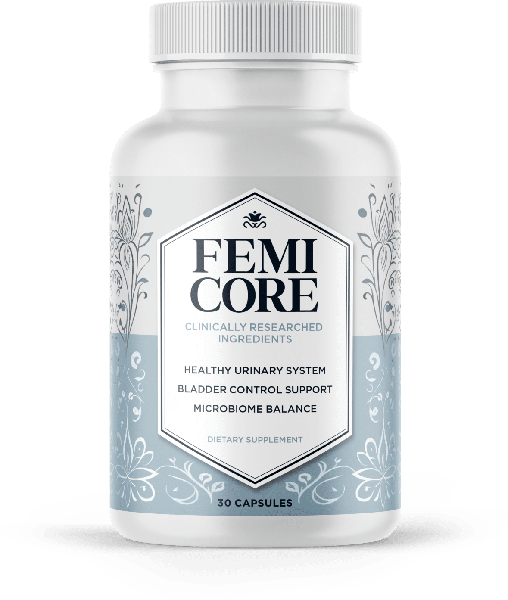
Building a bigger picture than just pads?
FemiCore is formulated with cranberry extract, targeted botanicals, and a five-strain probiotic blend to support a healthy urinary microbiome and everyday bladder comfort.
See My DiscountSources
National Association For Continence · Nexwear · Attends Healthcare Products · The Children's Hospital at Montefiore · The New York Times Wirecutter (2026) · National Incontinence · becausemarket.com (2026)
This article is for informational purposes only and is not intended as medical advice. Consult your physician before starting any new supplement, especially if you are pregnant, nursing, or managing a medical condition. These statements have not been evaluated by the Food and Drug Administration. This product is not intended to diagnose, treat, cure, or prevent any disease. Pricing in the comparison table is a general market estimate, not a live quote. This page contains affiliate links; we may earn a commission at no extra cost to you.