Daily Supplements for Bladder Health: What to Look For

If you've started looking into bladder health supplements, you've probably noticed the shelf is crowded. Pumpkin seed extract here, a probiotic blend there, mystery herbal names you've never heard of on half the labels. You don't need to become an ingredient scientist to make a good choice. You just need to know what's actually worth looking for, and what's mostly marketing.
This guide walks through the ingredient categories that show up most often in bladder health supplements, what each one is generally used for, and how to think through the decision without getting lost in label jargon.
Why Bladder Health Supplements Exist
You already know the standard advice: do your Kegels, watch your fluids, try not to laugh too hard. That advice is genuinely useful, but it treats bladder health as purely a muscle problem. It leaves out something that's gotten more research attention recently: the balance of bacteria in your urinary tract, sometimes called the urinary microbiome, and how it affects bladder comfort and control.
That's the gap daily bladder health supplements are generally trying to fill. They're not positioned to replace pelvic floor work or medical treatment. They're meant to support the internal side of bladder health that exercises alone don't touch.
Botanical Ingredients Worth Knowing
A few botanical ingredients show up consistently across reputable bladder health supplements, and it's worth understanding what each one generally does.
Cranberry extract is probably the most recognizable, generally included to help prevent bacteria from sticking to urinary tract walls, which supports overall urinary comfort. Pumpkin seed extract is another common ingredient, generally included to support bladder muscle tone and pelvic strength. D-mannose, a naturally occurring sugar, is frequently included for similar reasons, helping block bacteria and support urinary tract comfort.
Less common but still worth recognizing: herbal blends featuring ingredients like horsetail and lindera, generally included to help reduce urgency and frequency.
Probiotics and the Urinary Microbiome
Probiotic strains are a newer addition to this category, and they're worth paying attention to. The idea is straightforward: a healthy balance of bacteria in the urinary tract supports normal bladder function, and specific probiotic strains are included to help maintain that balance, rather than just addressing symptoms after they show up.
This is a different mechanism than the botanical ingredients above. Botanicals tend to work on the urinary tract lining or muscle tone directly. Probiotics work on the underlying bacterial environment, a newer but increasingly researched angle on bladder health. If the anatomy behind that is new to you, how the urinary system works explains where that bacterial environment actually sits.
What to Look For on a Label
A few practical things to check before buying. Look for a clear ingredient list with actual amounts listed, not vague "proprietary blend" language. Look for standardized extracts where possible, meaning the label specifies the percentage of the active compound, like "cranberry extract standardized to 30% PACs," rather than just "cranberry."
Manufacturing matters too. FDA-registered, GMP-certified facilities follow specific quality and safety standards, and that information is usually listed on the product page or packaging if the brand takes it seriously.
What to Be Skeptical Of
Be cautious of any bladder health supplement promising to "cure" or "eliminate" incontinence completely. Legitimate supplements use language like "supports," "designed to help," or "may help," because that's what the science behind dietary supplements actually allows them to claim.
Also be skeptical of supplements that list a long, unfocused ingredient list with tiny amounts of everything. A tighter formula with fewer, well-dosed ingredients is usually a better sign.
How Supplements Fit With Everything Else
Bladder health supplements work best as one part of a broader routine, not a standalone fix. Pelvic floor exercises, bladder training, and reducing bladder irritants like caffeine and alcohol still matter, and a supplement doesn't replace any of that work. A supplement also sits apart from prescription treatment, so if symptoms persist it helps to know what bladder control medication does and what to ask your doctor.
Realistic Expectations
As with most nutritional supplements, consistent daily use over 30 to 60 days is the typical timeframe to evaluate whether a bladder health supplement is making a difference for you. In the meantime, many women manage day-to-day leaks with absorbent products, and our buyer's guide to bladder leak products compares the options.
FemiCore fits into this category. It's a once-daily capsule built on a botanical blend, including cranberry extract, Mimosa Pudica seed, bearberry leaf, and berberine, paired with a five-strain probiotic blend featuring L. crispatus, L. acidophilus, L. plantarum, L. gasseri, and L. casei. It's formulated to support a healthy urinary microbiome and normal bladder function, made in an FDA-registered, GMP facility in the USA, with non-GMO, gluten-free ingredients. Take a look at FemiCore's full ingredient breakdown here if you're comparing options.
Common Mistakes and Myths
A common mistake is expecting a bladder health supplement to work in isolation, without any other changes. Supplements support the underlying biology, but pelvic floor strength and bladder habits still need direct attention.
A myth worth addressing: that "natural" automatically means "risk-free." Botanical ingredients can still interact with medications, which is exactly why checking with a doctor before starting anything new matters.
What Actually Helps
Look for a bladder health supplement with a clear, standardized ingredient list, a probiotic component alongside the botanicals, and manufacturing transparency, made in an FDA-registered facility with non-GMO, gluten-free ingredients. Use it consistently for at least 30 to 60 days before judging results.
FemiCore checks these boxes: cranberry extract, targeted botanicals, and a five-strain probiotic blend, formulated to support a healthy urinary microbiome and everyday bladder comfort. See today's pricing and full ingredient list here. Talk to your doctor before starting anything new, especially if you're pregnant, nursing, or managing a medical condition.
FAQ
Can I repair my bladder naturally?
Many women see meaningful improvement in bladder comfort and control through a combination of pelvic floor exercises, bladder-friendly habits, and daily supplements that support the urinary microbiome. Results vary.
Do bladder supplements really work?
For many women, yes, especially when combined with pelvic floor exercises and lifestyle changes. Supplements support the underlying biology rather than acting as a standalone treatment.
What's the best supplement to take for urinary tract health?
Look for supplements combining standardized botanical extracts, like cranberry or D-mannose, with a probiotic blend, manufactured in an FDA-registered, GMP-certified facility.
Which vitamin is best for the bladder?
There isn't a single "best" vitamin for bladder health. Most effective formulas combine botanical extracts and probiotics rather than relying on one vitamin alone.
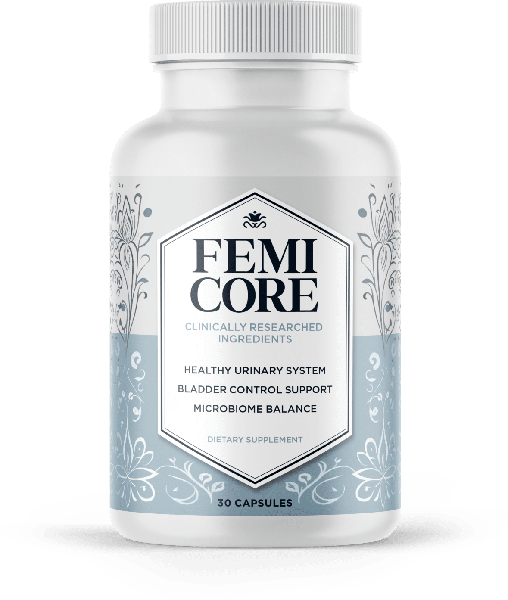
Ready to see what's actually in FemiCore?
Cranberry extract, targeted botanicals, and a five-strain probiotic blend, made in an FDA-registered, GMP facility with non-GMO, gluten-free ingredients.
Shop FemiCore NowSources
Rose City Urology (2026) · National Association For Continence · Medical News Today · Intimate Rose · Life Extension
This article is for informational purposes only and is not intended as medical advice. Consult your physician before starting any new supplement, especially if you are pregnant, nursing, or managing a medical condition. These statements have not been evaluated by the Food and Drug Administration. This product is not intended to diagnose, treat, cure, or prevent any disease. This page contains affiliate links; we may earn a commission at no extra cost to you.